How to Prevent Storage Problems in a Newly Remodeled Kitchen
Planning storage early and working with experienced kitchen remodeling contractors can help create an organized, functional kitchen that meets your everyday needs.
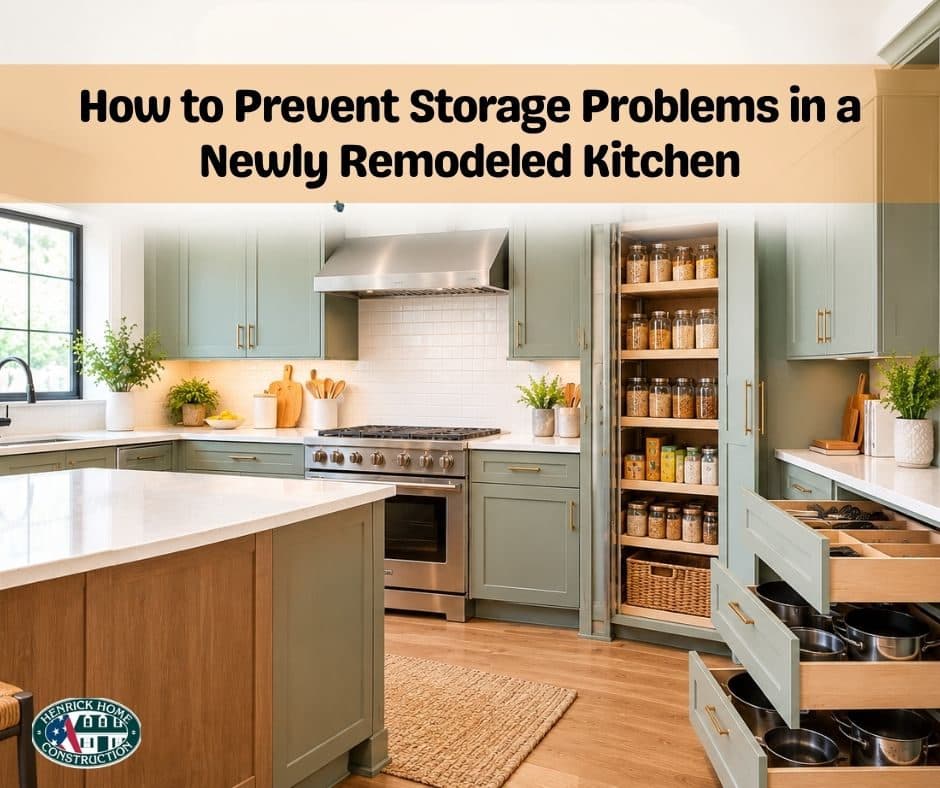
After a kitchen remodel, you expect everything to have its place. But once you start cooking and using the space every day, you may notice the cabinets are too small, the pantry is hard to organize, or you barely have enough counter space for your appliances. These small frustrations can take away from the convenience of your newly renovated kitchen.
Working with experienced kitchen remodeling contractors in Stratford, CT can help you avoid these problems by planning storage around your actual lifestyle before construction is complete. A few thoughtful design decisions can help you use your kitchen better without sacrificing its appearance.
1. Check Your Storage Needs Before Remodeling
Before deciding on a cabinet layout, take a moment to look at what you keep in your kitchen. Think about your cookware, plates, grocery supplies, appliances, and other everyday essentials. If you regularly prepare meals at home, you may need more drawer space for utensils and more room for pots and pans.
Discuss these needs with your remodeling contractor during the design stage. Having a clear idea of what needs to be stored makes it easier to choose cabinets that serve a real purpose instead of simply filling the available wall space.
2. Make Every Cabinet Easy to Use
A cabinet can offer plenty of room but still be inconvenient if you cannot easily reach what is inside. Deep shelves often lead to items being pushed toward the back and forgotten.
Consider using pull-out drawers, sliding shelves, and built-in dividers to keep everything accessible. Store frequently used cookware near your cooking area and everyday dishes close to the dishwasher or sink. This arrangement can save time and make daily kitchen tasks feel less stressful.
3. Find Storage Opportunities in Unused Areas
Sometimes, the solution to limited storage is already within your kitchen. The space above cabinets, unused corners, and narrow gaps can provide additional room when planned properly.
Depending on your layout, taller cabinets, corner organizers, or narrow pull-out units may help you store items more efficiently. Keep everyday essentials in accessible locations and reserve higher shelves for things you rarely use. Your contractor can help determine which options fit without making the kitchen feel cramped.
4. Plan a Pantry That Matches Your Shopping Habits
A pantry should make it easy to find ingredients, not create another place where things get lost. If you regularly buy bulk groceries, large packages, or different types of cooking ingredients, your shelf sizes should accommodate them.
Adjustable shelves allow you to change the arrangement when your needs change. You can also group similar products, such as baking supplies, canned foods, snacks, and breakfast items. This simple approach helps you see what is available and makes it easier to keep the pantry tidy.
5. Decide Where Appliances Will Go
Small appliances can take up more space than expected. A mixer, air fryer, toaster, and blender may each be useful, but keeping all of them on the countertop can leave little room for food preparation.
Before finalizing your kitchen design, decide which appliances you use regularly and which can be stored inside cabinets. If you want a dedicated coffee station or appliance cabinet, include it in the original plan. Remember to consider suitable electrical outlets, ventilation, and safe access when designing these areas.
6. Avoid Overcrowding Drawers and Cabinets
Adding more storage does not always solve an organization problem. If every drawer is filled, finding what you need can become just as difficult as having too few cabinets.
Use drawer dividers for cutlery and cooking tools, and keep similar items together. Avoid storing several rarely used appliances in the most accessible cabinets. Leaving some flexibility in your storage arrangement makes it easier to accommodate new purchases without creating clutter.
7. Think About Your Future Needs
Your kitchen should work for you beyond the first few weeks after remodeling. Your cooking habits may change, you might purchase new appliances, or your household may need additional storage later.
Choose flexible storage options wherever possible. Adjustable shelving and movable organizers allow you to rearrange cabinets without replacing them. It is also worth discussing potential future needs with your contractor before the final layout is approved.
Final Thoughts
A successful kitchen remodel should make everyday life easier, not leave you searching for places to store essentials. Understanding your storage requirements, choosing accessible cabinets, organizing the pantry, and planning appliance locations can help prevent common problems.
Before the remodeling work is finished, walk through the proposed layout and imagine how you will use the kitchen during a normal day. Checking these practical details early can help you create a space that looks beautiful and works comfortably for your household.
Frequently Asked Questions
1. What causes storage problems in a newly remodeled kitchen?
Storage problems often occur when cabinet sizes, pantry space, and appliance locations are not planned around everyday needs. A kitchen may look spacious but still lack practical places for frequently used items.
2. How can I increase kitchen storage without expanding the room?
Consider taller cabinets, pull-out shelves, drawer dividers, and organizers for unused corners. These options help you use existing space more effectively without increasing the kitchen's footprint.
3. Should I choose drawers or cabinets for kitchen storage?
Both have benefits. Drawers are useful for utensils, cookware, and smaller items because they provide easy access. Cabinets work well for larger appliances, dishes, and items that need more vertical space. A combination usually provides greater flexibility.
4. When should storage planning begin during a kitchen remodel?
Storage planning should begin during the initial design stage, before cabinet dimensions and installation details are finalized. Early decisions can help prevent expensive adjustments after construction.
5. How can I keep my remodeled kitchen organized long-term?
Give everyday items designated places, group similar supplies together, and avoid keeping unnecessary items in valuable cabinet space. Review your storage arrangement occasionally so it continues to meet your needs.