Why Replacing Finishes Alone May Not Solve an Outdated Room's Problems
New finishes can refresh a room, but better layout, lighting, storage, and repairs may be needed to improve its functionality.
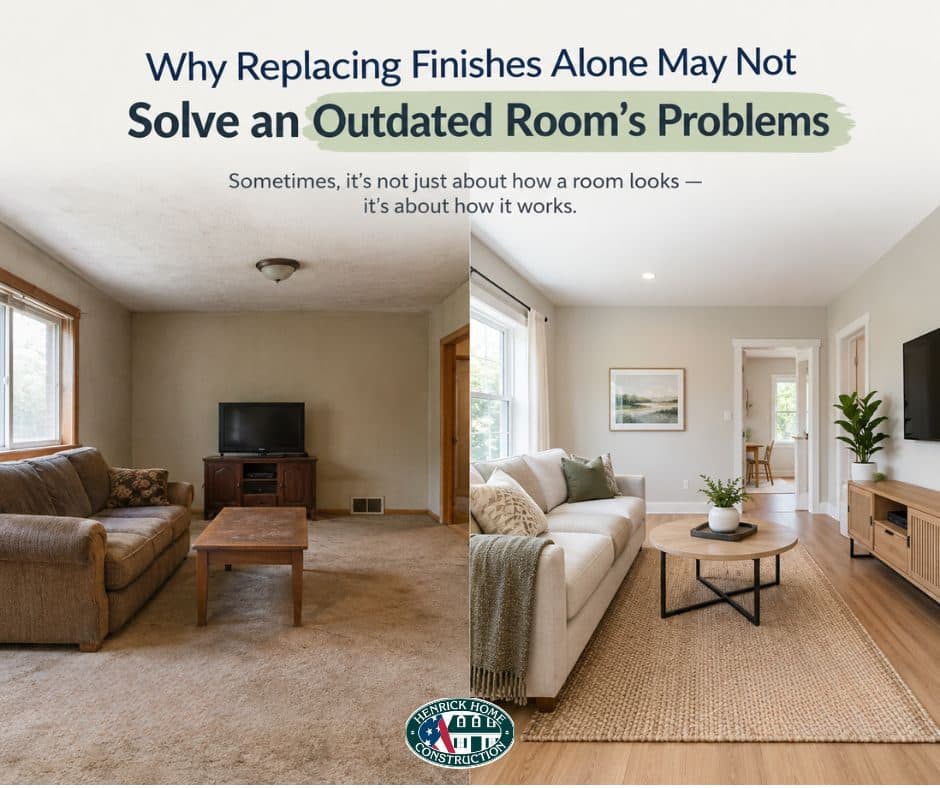
When a room starts to look old, replacing the paint, flooring, or light fixtures may seem like the easiest way to improve it. These updates can make a noticeable difference in appearance, but they do not always solve the problems that make the room uncomfortable or difficult to use.
For example, a living room may have fresh paint and new flooring but still feel cramped because of its layout. An older kitchen may look more modern after new cabinets are installed, yet continue to lack enough storage or workspace. In these situations, the issue is not just how the room looks but how it functions.
Before planning a renovation, it is important to understand what is making the space feel outdated and whether surface-level changes will be enough. Professional home construction services in Fairfield, CT, can help homeowners evaluate their spaces and plan improvements that address both appearance and functionality.
1. The Layout May No Longer Suit Your Needs
A room's original layout may have worked well when the house was built, but your needs can change over time. Furniture may not fit comfortably, walkways may feel narrow, or certain areas may remain unused.
Replacing finishes will not correct these issues. Sometimes, improving the layout by adjusting furniture placement, changing doorways, or rethinking how the space is divided can make the room more practical.
Before choosing new materials, consider how you move through the room and what changes would make everyday activities easier.
2. Hidden Problems Can Affect the Results
An outdated room may have issues that are not immediately visible. Uneven walls, damaged subfloors, moisture problems, poor insulation, or outdated electrical systems can affect the quality and durability of a renovation.
Installing new flooring over an uneven surface or painting over moisture-damaged walls may provide a temporary improvement, but the underlying problem can return.
A proper assessment helps identify repairs that should be completed before new finishes are installed. Addressing these issues early can also reduce the risk of additional work and unexpected expenses later.
3. Storage and Functionality May Still Be Limited
A room can look beautiful and still be inconvenient to use. Insufficient storage, poorly positioned outlets, inadequate lighting, or a lack of usable workspace can continue to affect daily life even after cosmetic updates.
For example, replacing kitchen cabinet doors will not create more storage if the existing cabinet layout does not meet your needs. Similarly, new lighting fixtures may not provide enough light if they are poorly positioned.
Planning improvements around how you use the space helps ensure that the renovation delivers practical benefits along with a fresh appearance.
4. Lighting and Space Planning Need More Attention
The appearance of a room depends on more than its wall color and finishes. Natural light, artificial lighting, furniture placement, and the relationship between different areas all influence how spacious and comfortable a room feels.
Dark corners, blocked windows, and oversized furniture can make a room feel smaller than it actually is. Simply choosing lighter paint colors may not fully solve the problem.
A better approach may involve improving the lighting arrangement, selecting appropriately sized furniture, or changing the layout to make better use of available space.
5. A Complete Renovation Plan Can Prevent Repeated Work
When homeowners update one feature at a time without considering the entire room, they may end up repeating work later. For example, installing new flooring before deciding to move a wall or modify built-in cabinets can create additional costs.
A coordinated renovation plan considers the layout, repairs, electrical requirements, storage, lighting, and finishes together. This makes it easier to determine which improvements are necessary and the correct order in which to complete them.
Not every outdated room requires a major renovation. In some cases, new paint and flooring are sufficient. The key is to identify whether the main problems are cosmetic or related to the room's structure, layout, or functionality.
Conclusion
Replacing finishes can refresh an outdated room, but it may not address the reasons the space no longer works well. Poor layouts, limited storage, hidden damage, and inadequate lighting often require more thoughtful solutions.
By evaluating the room before selecting new materials, homeowners can make renovation decisions that improve both appearance and everyday comfort. Experienced renovation contractors in CT can help plan improvements that create a space that looks better, functions well, and meets the household's needs over time.
Frequently Asked Questions
1. Can new paint and flooring make an outdated room look modern?
Yes. New paint and flooring can significantly improve a room's appearance. However, they may not resolve layout issues, insufficient storage, poor lighting, or hidden damage.
2. How do I know if my room needs more than cosmetic updates?
If the room feels cramped, lacks practical storage, has recurring moisture problems, or does not support your daily activities, it may need improvements beyond new finishes. A professional assessment can help identify the necessary changes.
3. Should repairs be completed before installing new finishes?
Yes. Issues such as water damage, uneven subfloors, and electrical concerns should be addressed before installing new finishes. This helps protect the completed work and reduces the likelihood of future repairs.
4. Is a full room renovation always necessary?
No. If the layout works well and there are no underlying problems, cosmetic updates may be enough. A larger renovation is worth considering when the room has several functional or maintenance issues that surface changes cannot solve.
5. What should I consider before renovating an outdated room?
Consider how you use the room, the existing layout, storage needs, lighting, necessary repairs, and your budget. Planning these elements together helps you prioritize improvements and avoid unnecessary expenses.